

Healthcare Science Week Day 2
On Day 2 of Healthcare Science Week we explore “Being a Healthcare Scientist”. We are delighted to share an article from AHCS Healthcare Science National Clinical Lead for Northern Ireland, Martina Burns. Martina shares her experience as a neurophysiologist and highlights how Healthcare Science has evolved as a profession.
What it means to be a Healthcare Scientist
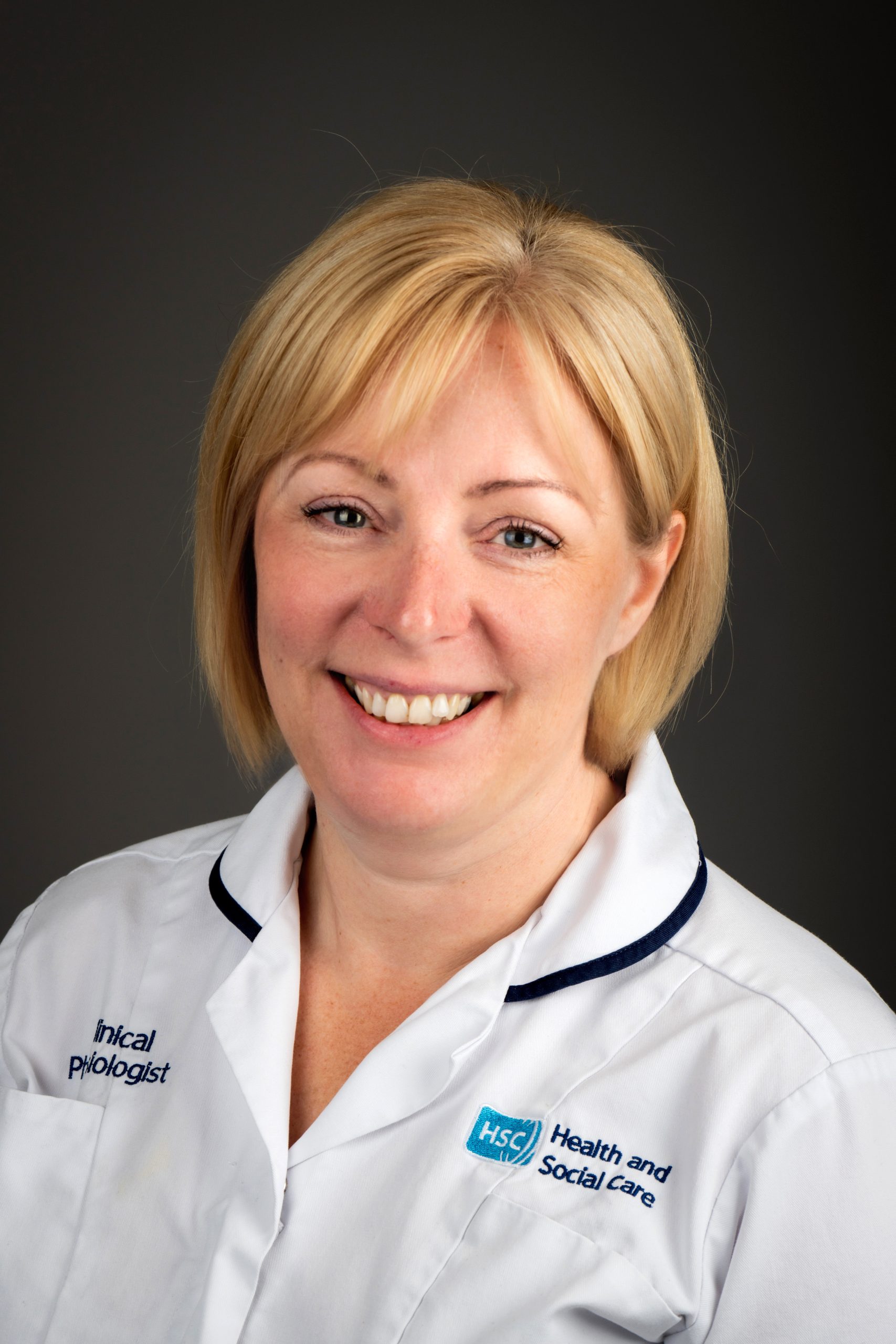
I started my career in the health service in 2001 after completing a degree in Clinical Science at the University of Ulster. I started as a Neurotechnologist in Dublin, later working in Belfast as a Medical Technical Officer, progressing to Clinical Physiologist, and now practicing as a Clinical Scientist.
Over the years, the titles have changed, reflecting the evolving identity, recognition, and responsibilities of our profession. But at its core, the essence of healthcare science has remained constant: combining scientific expertise, advancing technology, and compassionate patient care to improve lives.
Working within neurophysiology has given me the privilege of engaging directly with patients while applying advanced technology to assess, diagnose, and inform treatment for complex neurological conditions. Healthcare science is unique in that it bridges the gap between laboratory precision and bedside compassion.
What I value most about healthcare science is this balance. We use complex technology and detailed measurements, but at the centre of everything is a person who needs answers and support. Behind every test result is a patient and their family. That responsibility is something that is very important to me and is integral to my professional identity making working as a healthcare scientist deeply rewarding.
Healthcare science is always changing. New research, new technology, and new ways of working mean we must keep learning throughout our careers. Continuing professional development is important not only for our own growth, but for the benefit of our patients. When we stay up to date, we can provide the safest, most accurate, and most effective care possible. Learning helps us improve our skills, build confidence, and ensure we are working to high professional standards.
In recent years, the role of the healthcare scientist has expanded beyond traditional professional boundaries. We are increasingly called to adapt, upskill, and collaborate within multidisciplinary and multiprofessional teams. It is no longer sufficient to operate solely within the confines of a specialism. We must contribute actively to broader healthcare networks, asserting healthcare science as a distinct and vital pillar of modern healthcare.
Leadership is central to this. We must champion good governance, patient safety, and professional standards. Access to structured training, recognised registration pathways, and robust professional frameworks ensures that we stand alongside other healthcare professions as equal partners in delivering high-quality care.
Healthcare science includes many different specialisms, but we share common goals: patient safety, high standards, professionalism, and continuous improvement.
When we share knowledge and support each other, we strengthen our profession. By working together and learning from one another, we improve not only our own practice but also the care we provide to patients.
To me, being a healthcare scientist means using science to make a real difference in people’s lives. It means continuing to learn, working as part of a team, and always putting patients at the centre of what I do.
Stay tuned for four more articles from our Healthcare Science National Clinical Leads throughout the week!
